
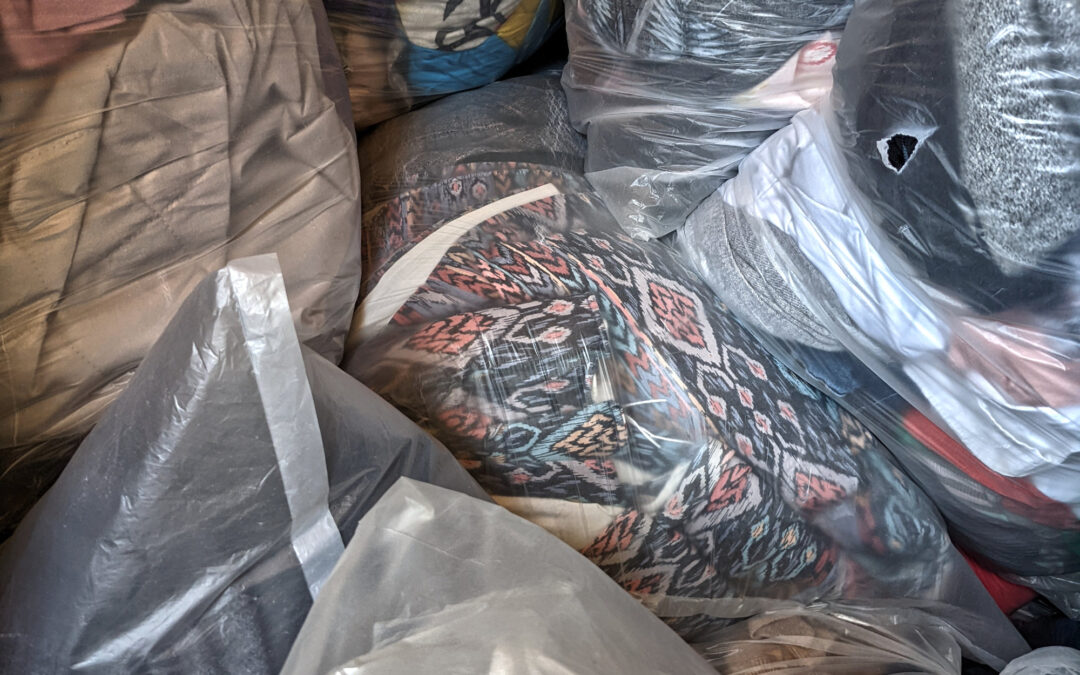
Charities like Proper Job play a crucial role in helping the environment by giving a second life
to pre-loved items. However, we also face ethical challenges when donated clothing is not
reusable or recyclable.
When charity shops receive items that are unsuitable for resale, it can be costly and time-
consuming for them to dispose of these items in an environmentally friendly way. Some of
these items may end up in landfills, contributing to the growing problem of textile waste. In
2019 around 336,000 tonnes of clothing were disposed of in the UK, with only 16% being
reused or recycled. (WRAP)
To help charity shops and the environment, donors can be mindful of what they donate.
Here are some examples of how you can dispose of items more sustainably:
Repair or Upcycle: If clothing is damaged but still salvageable, you could consider repairing
it or upcycling it into something new. This not only reduces waste but also gives the item a
new lease on life. According to the Waste and Resources Action Programme (WRAP)
extending the average life of clothing by just nine months could reduce carbon, water, and
waste footprints by around 20-30% each.
Textile Recycling Banks: If your textile items are unsuitable for reuse or repair take them to
a council run recycling facility or use a kerbside collection service if available.
Recycling clothing and textiles in the UK presents several challenges despite efforts to
promote sustainability and reduce waste. While many people are becoming more aware of
the environmental impact of fast fashion and the importance of recycling, there are still
obstacles that hinder the efficient recycling of clothing textiles.
One of the main challenges is the complexity of textile materials. Clothing is often made
from a blend of fibers, making it difficult to separate and recycle them efficiently. This
complexity can result in lower-quality recycled materials or make the recycling process more
costly and time-consuming.
Another challenge is the lack of infrastructure for textile recycling in the UK. While there are
organizations and facilities that specialize in textile recycling, they may not be easily
accessible to the general public. This can lead to clothing items being disposed of in landfills
rather than being recycled properly.
By being more conscious of what we donate and how we dispose of unwanted items, we
can help charity shops overcome ethical challenges and reduce the environmental impact of
textile waste. Remember, every small effort counts towards a more sustainable future.