
Composting is a fantastic way to reduce waste, enrich soil health, and promote biodiversity in your
own back garden. By turning kitchen scraps and green waste into nutrient-rich compost, you can
create a valuable resource for your garden while also making a positive impact on the natural
environment.
The Importance of Composting for Soil Health and Biodiversity
Composting is a natural process that breaks down organic materials into a rich, dark substance called
humus. This humus is full of essential nutrients that plants need to thrive, such as nitrogen,
phosphorus, and potassium. When you add compost to your soil, you improve its structure, increase
its ability to retain moisture, and promote the growth of beneficial microorganisms.
By composting, you divert organic waste from landfills, where it would otherwise break down
anaerobically and produce harmful greenhouse gases like methane. Instead, you harness the power
of decomposition to create a valuable resource that will support healthy plant growth and
biodiversity in your garden.
How to Compost at Home?
Composting at home is easier than you might think. Here are some simple steps to get you started:
1. Choose a composting method: You can compost using a traditional bin, tumbler, or even a simple
pile in your backyard. Select a method that works best for your space and needs.
2. Collect compostable materials: Kitchen scraps like fruit and vegetable peels, coffee grounds,
eggshells, and yard waste like grass clippings and leaves are all excellent candidates for composting.
Avoid adding meat, dairy, and oily foods, as they can attract pests and slow down the composting
process.
3. Layer your materials: Alternate green (nitrogen-rich) and brown (carbon-rich) materials in your
compost pile to promote decomposition. Keep the pile moist but not soggy, and turn it regularly to
aerate the compost and speed up the process.
4. Wait and watch: Depending on your composting method and environmental conditions, your
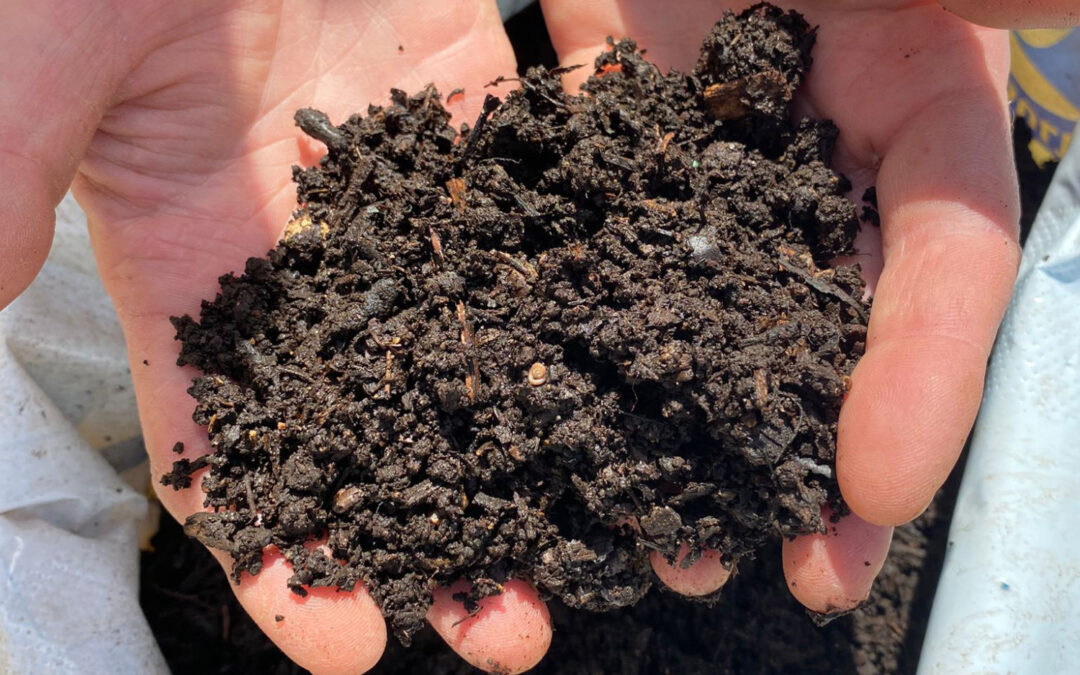
compost should be ready in a few months to a year. Once it’s dark, crumbly, and earthy-smelling, it’s
ready to use in your garden.
What Can Be Composted?
Many everyday items can be composted, including:
- Fruit and vegetable scraps
- Coffee grounds and filters
- Tea bags
- Eggshells
- Grass clippings
- Leaves
- Shredded paper
- Cardboard
- Sawdust
- Yard trimmings
By composting these materials, you can reduce waste, improve your soil, and support the health of
your plants.
If you don’t have room to compost at home why not join a ‘Community Composting Project’:
Proper Job is a community composting project we bring people together to compost on a larger
scale. We provide a centralised composting facility where community members can drop off their
organic waste, which is then composted and used to enrich local soil.
Community composting projects help reduce the amount of organic waste sent to landfills, decrease
greenhouse gas emissions, and encourage community involvement in sustainable practices. They
also create opportunities for education and outreach on composting and environmental
stewardship.
Whether you compost at home or participate in a community composting project, you can make a
positive impact on the environment while reaping the benefits of nutrient-rich compost for your
garden. Composting is a simple and sustainable practice that anyone can adopt to support soil
health, biodiversity, and a greener future.